From online banking and digital wallets to telemedicine and gaming platforms, organizations face rising risks of identity fraud, deepfake attacks, and account takeovers.
This is where liveness detection plays a pivotal role. By ensuring that authentication processes interact with a live, genuine user, liveness detection strengthens digital trust while maintaining a smooth user experience.
What is Liveness Detection?
Liveness detection is an advanced biometric security technology designed to confirm the physical presence of a real person during an identity verification process. Its primary objective is to differentiate between a live human user and fraudulent attempts such as static photos, pre-recorded videos, masks, or malicious software-based spoofing.
How Liveness Detection Works?
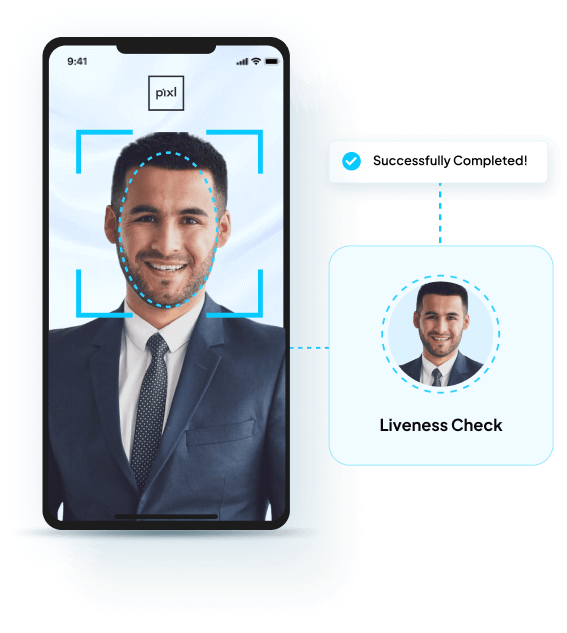
Modern liveness detection systems operate by analyzing natural human behaviors and biometric signals in real time. These may include:
- Eye blink patterns and pupil movement
- Facial micro-expressions and head movements
- Lip movement and voice synchronization
- Background and depth consistency
In advanced implementations, such as AI-powered liveness detection APIs, these signals are evaluated instantly to determine whether the interaction originates from a real, present individual. The result is a secure yet frictionless authentication flow that blocks impersonation without burdening legitimate users.
What is the Role of Liveness Detection in Biometrics Authentication System?
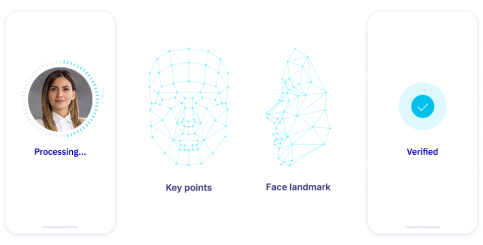
Liveness detection is a critical layer within biometric authentication systems, enhancing the reliability of face recognition, voice authentication, and multimodal identity verification.
Strengthening Biometric Security
Traditional biometric systems can be vulnerable to spoofing attacks using photos, videos, or synthetic media. Liveness detection mitigates these risks by ensuring that biometric data is captured only from a live subject.
Key biometric use cases include:
- Face authentication combined with blink detection and facial motion analysis
- Voice-based verification aligned with live lip movements or voice commands
- Multimodal authentication, where facial recognition is reinforced with behavioral cues
Real-World Applications of Liveness Detection : Know How It Helps for Online Authentication
Liveness detection is now a cornerstone of secure digital journeys across industries:
Banking and Financial Services
Banks use liveness detection during digital onboarding, login, and high-risk transactions to prevent account takeovers, identity fraud, and mule accounts while remaining compliant with regulatory requirements.
Fintech and Digital Wallets
Instant wallet creation and remote KYC rely on real-time liveness checks to stop photo and video spoofing without slowing down the user experience.
Insurance
During onboarding, claims submission, and remote assessments, liveness detection ensures that the actual policyholder is present, reducing impersonation and fraudulent claims.
Telecom
From SIM issuance to number portability, liveness detection prevents identity misuse while enabling fast, remote customer verification.
Healthcare and Telemedicine
Liveness detection verifies patients and healthcare professionals during remote consultations, protecting sensitive medical data and ensuring trusted digital interactions.
Gaming, E-commerce, and Marketplaces
Platforms use liveness checks to block bot registrations, fake accounts, age fraud, and seller impersonation while keeping onboarding seamless for genuine users.
Future Trends in Liveness Detection and Authentication
As digital fraud techniques evolve, liveness detection is advancing rapidly to stay ahead of attackers.
Key Future Trends Include:
- AI-driven passive liveness capable of detecting deepfakes and synthetic media
- Behavioral biometrics, combining facial, voice, and interaction patterns
- Continuous authentication, validating user presence throughout a session
- Privacy-first designs, minimizing biometric data storage while ensuring compliance
- Context-aware verification, adapting liveness checks based on risk level, location, or transaction type
In the future, liveness detection will move beyond a single checkpoint to become a continuous trust layer embedded across digital ecosystems.
Conclusion
Liveness detection has become essential for addressing modern online authentication challenges. By ensuring real human presence, preventing spoofing attacks, and strengthening biometric security, it enables organizations to protect users without compromising convenience.
As digital interactions continue to scale, liveness detection will remain a foundational technology for secure, trusted, and user-friendly authentication across industries.
Build trust. Prevent fraud. Authenticate with confidence.
Get started with Pixl.ai’s Liveness Detection today and future-proof your digital identity verification.