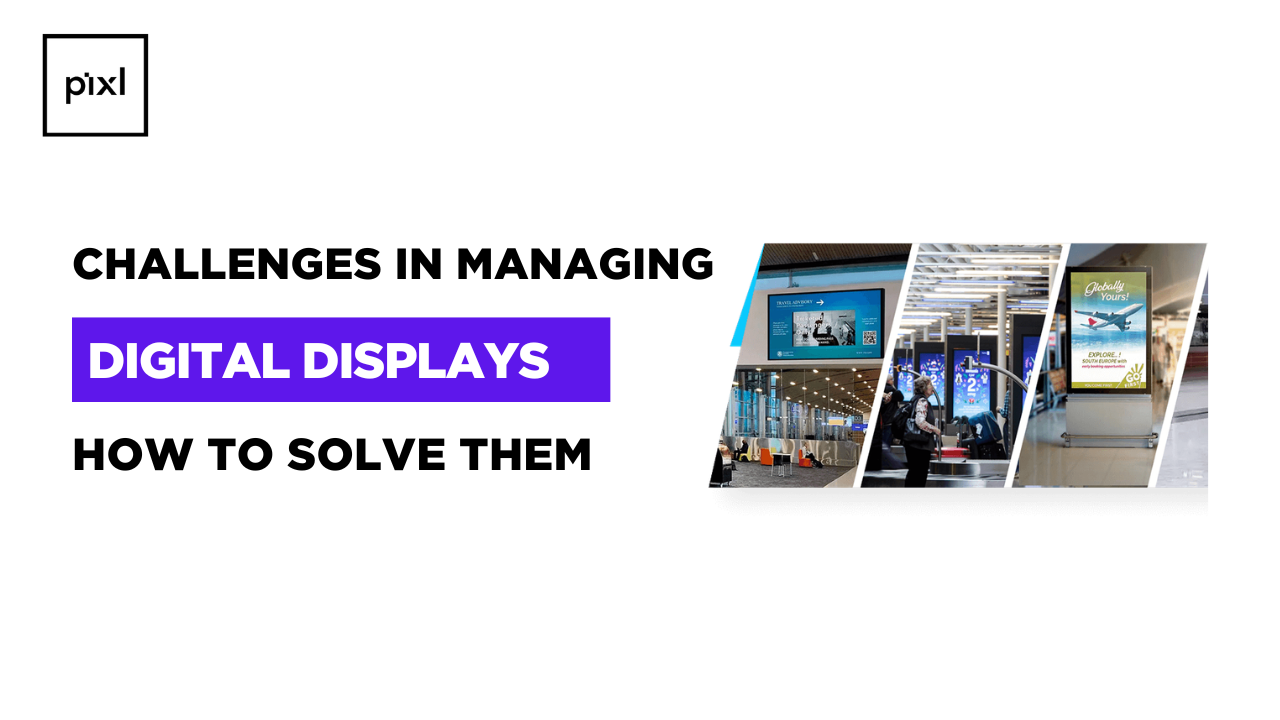
In today’s fast-moving digital world, businesses need smarter ways to communicate with their audience. Traditional printed posters and static displays are no longer enough to capture attention or deliver real-time updates.
This is where digital signage comes in.
Digital signage allows businesses to display dynamic content like videos, images, announcements, and live updates on screens such as smart TVs, kiosks, and display panels. From retail stores to banks and airports, digital signage has become a powerful tool for modern communication.
In this beginner’s guide, we’ll explain what digital signage is, how it works, and why businesses are rapidly adopting it.
What is Digital Signage?
Digital signage refers to the use of digital screens to display multimedia content such as:
- Videos
- Images
- Text and scrolling messages
- Live data (news, weather, financial updates)
Unlike traditional printed signage, digital signage is:
- Easy to update
- Visually engaging
- Controlled remotely
Businesses use it to:
- Promote products and offers
- Share important announcements
- Improve customer experience
- Deliver real-time information
Where is Digital Signage Used? (Real-World Examples)
Digital signage is widely used across industries:
Retail Stores
- Display promotions, discounts, and product videos
- Highlight seasonal campaigns
Banks & Financial Institutions
- Show interest rates, offers, and queue information
- Display financial updates like gold rates
Corporate Offices
- Share internal announcements and dashboards
- Display meeting schedules and company updates
Airports & Transport Hubs
- Show flight schedules, alerts, and directions
Restaurants & Hospitality
- Digital menus, offers, and event promotions
👉 For a deeper look at how different industries use digital signage, read our guide on “Top Use Cases of Digital Signage Across Industries.” (Internal Link – Blog 3)
How Does Digital Signage Work?
Digital signage works through a simple but powerful system made up of three main components:
1. Content
This includes all the media you want to display:
- Videos
- Images
- GIFs
- Text announcements
2. Content Management System (CMS)
A CMS is the central platform where you:
- Upload content
- Create playlists
- Schedule what plays and when
- Control multiple screens from one place
3. Display Devices
These are the screens where content is shown:
- Smart TVs (Android TV, Samsung Tizen, LG WebOS)
- Digital kiosks
- LED panels
- Web browsers
How It All Comes Together
- Upload content to the CMS
- Organize it into playlists
- Schedule playback timing
- Publish to connected devices
- Content plays automatically on screens
Modern platforms like StreamNow take this further by enabling:
- Real-time updates
- Remote control
- Automated scheduling
- Multi-device management
👉 To understand the advanced capabilities in detail, check out “Key Features to Look for in a Digital Signage Software.” (Internal Link – Blog 2)
Traditional Signage vs Digital Signage
| Feature | Traditional Signage | Digital Signage |
| Updates | Manual & slow | Instant & remote |
| Content | Static | Dynamic (video, live data) |
| Cost Over Time | High (reprinting) | Cost-efficient |
| Engagement | Low | High |
| Flexibility | Limited | Highly flexible |
Digital signage clearly offers a more scalable and efficient solution for modern businesses.
Common Limitations of Basic Digital Signage Systems
While digital signage is powerful, not all systems are built the same. Basic or outdated solutions often face issues like:
- No centralized control
- Limited device compatibility
- Manual content updates
- Poor streaming quality
- Lack of scheduling automation
These challenges can make it difficult to manage large display networks effectively.
Learn more about these challenges and how to solve them in “Challenges in Managing Digital Displays and How to Solve Them.” (Internal Link – Blog 4)
Why Businesses Are Moving to Smart Digital Signage Platforms
Modern businesses need more than just displaying content—they need control, automation, and scalability.
Advanced digital signage platforms provide:
- Centralized content management
- Real-time control across locations
- Automated scheduling and playlists
- Secure and high-quality streaming
- Multi-device compatibility
They transform simple screens into powerful communication tools.
The Role of Streaming in Digital Signage
One of the biggest advancements in digital signage is the integration of streaming technology.
Instead of storing content locally, businesses can:
- Stream videos from secure URLs
- Broadcast live events
- Deliver content via CDN for faster performance
This makes digital signage more:
- Scalable
- Flexible
- Efficient
👉 Explore this in detail in “How Streaming Technology Powers Modern Digital Signage Platforms.”
Conclusion
Digital signage is transforming how businesses communicate with their audiences. It replaces static, outdated displays with dynamic, engaging, and real-time content experiences.
From retail stores to corporate offices, organizations are adopting digital signage to:
- Improve communication
- Increase engagement
- Streamline operations
However, to fully unlock its potential, businesses need a modern digital signage platform that combines content management, automation, and streaming capabilities.