Digital financial services are expanding at an unprecedented pace, and financial institutions are under constant pressure to onboard customers faster while maintaining strict regulatory compliance. Passport OCR (Optical Character Recognition) has emerged as a critical technology that enables automated extraction of identity data from passports, supporting seamless and secure remote verification.
In remote eKYC and Video KYC workflows, Passport OCR replaces manual document entry with AI-powered data capture, reducing errors and accelerating onboarding. As banks, NBFCs, and fintech platforms increasingly shift toward digital-first models, Passport OCR plays a foundational role in building scalable, compliant, and fraud-resistant identity verification systems.
Understanding eKYC & Video KYC
What is eKYC?
Electronic Know Your Customer (eKYC) is a digital process that verifies a customer’s identity using electronic documents and online verification tools. Financial institutions rely on eKYC to meet regulatory requirements while minimizing physical paperwork and branch visits.
What is Video KYC?
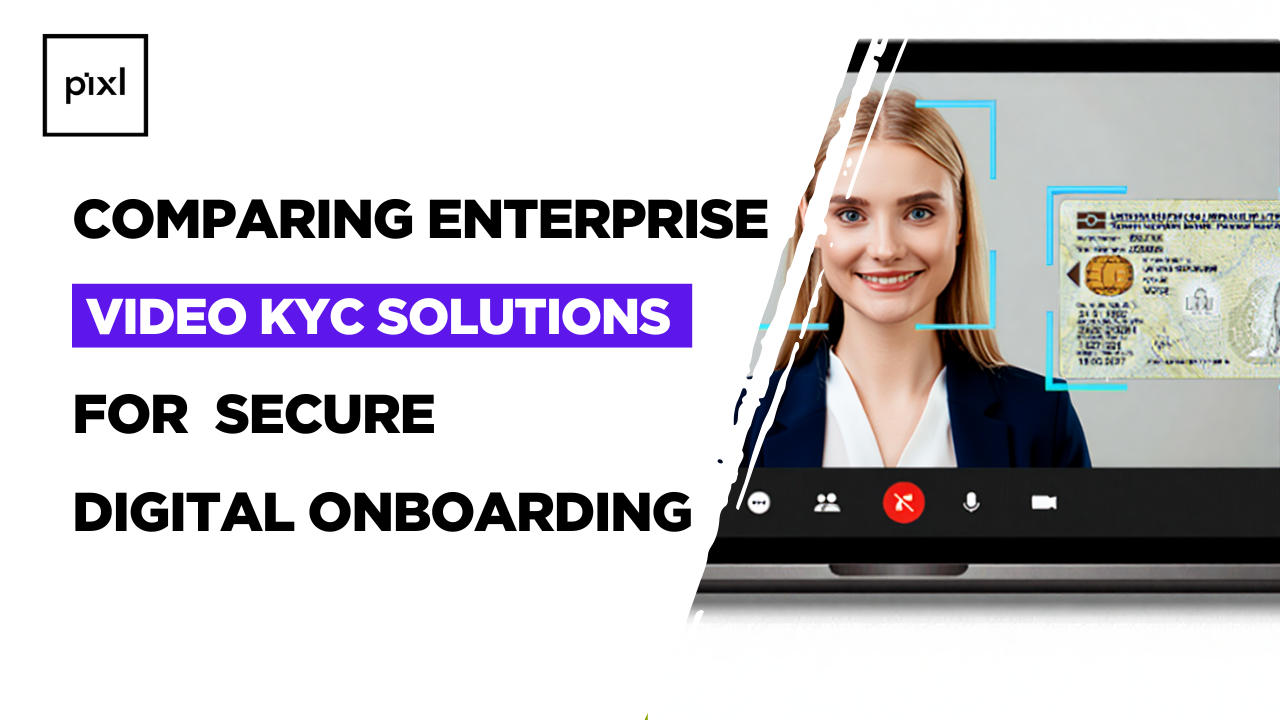
Video KYC is an advanced identity verification process that combines live video interaction with document verification and facial authentication. A compliance officer or AI-powered system verifies the customer in real time, ensuring authenticity and liveness.
Why These Processes Matter?
- Regulators require robust identity verification to prevent money laundering and financial crimes.
- Financial institutions must balance compliance with a seamless customer onboarding experience.
- Digital onboarding platforms need scalable verification methods to support remote users across regions.
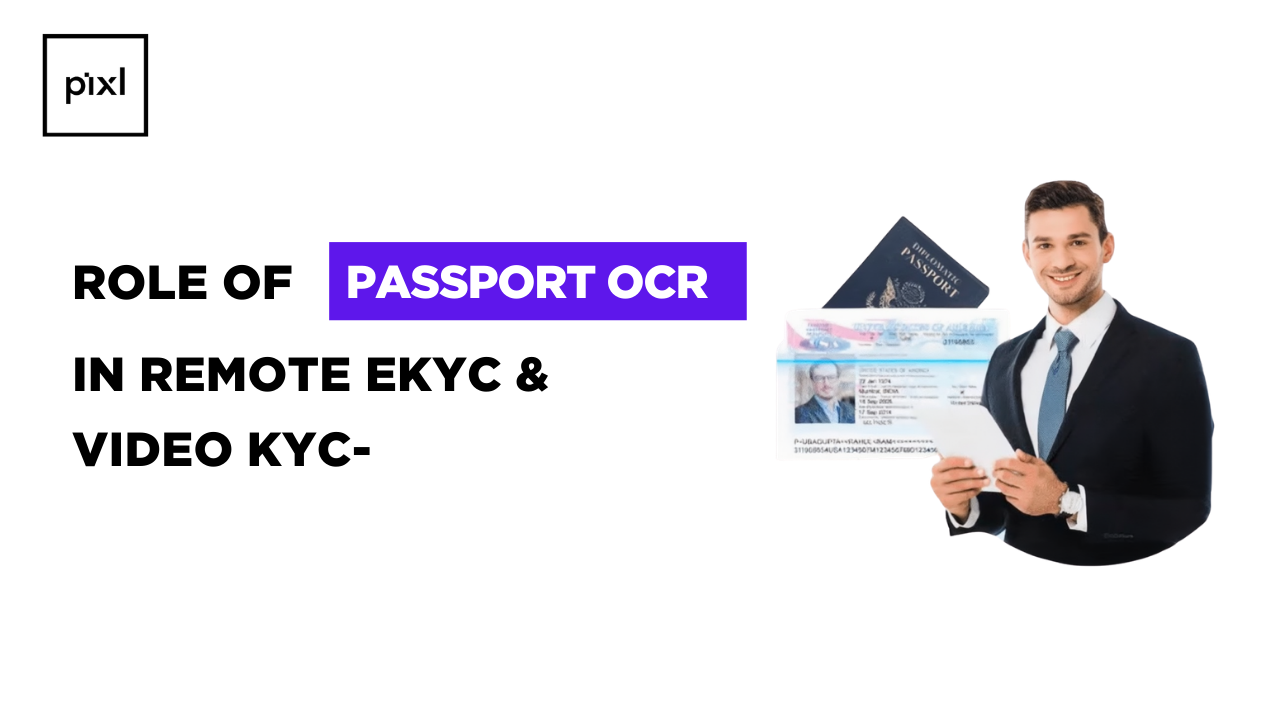
Passport OCR strengthens both eKYC and Video KYC by ensuring that passport data is captured accurately and instantly during verification.
Integration of Passport OCR in Remote Verification
Passport OCR functions as the data extraction engine within remote verification workflows.
How It Works in eKYC & Video KYC?
- Document Capture – The customer uploads or displays a passport via mobile app, web portal, or during a video call.
- MRZ Detection – The system detects the Machine-Readable Zone (MRZ) and identifies structured passport fields.
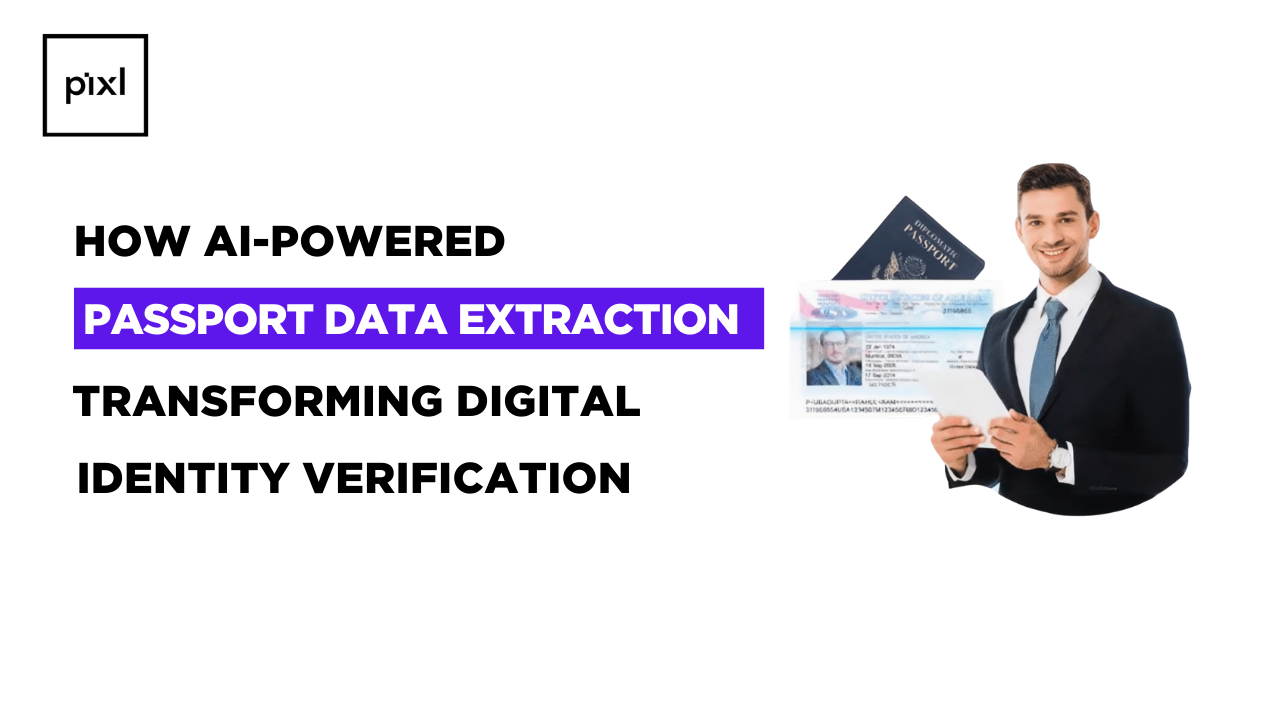
- Data Extraction – AI-powered OCR extracts key details such as name, passport number, nationality, date of birth, and expiry date.
- Data Validation – Extracted data is validated against ICAO formatting rules and internal compliance systems.
This automation reduces manual review time and enhances verification efficiency, making remote onboarding scalable and reliable.
Benefits for Financial Institutions
Improved Accuracy and Reduced Fraud Risk
Passport OCR minimizes human error by automating document data entry. AI-driven validation mechanisms detect inconsistencies, altered documents, and suspicious patterns, strengthening fraud prevention strategies.
Faster Customer Onboarding
Automated passport data extraction significantly reduces onboarding time. Instead of manual typing, systems instantly populate digital forms with verified data, allowing financial institutions to approve accounts faster.
Operational Efficiency
By reducing manual workload, banks and fintech firms can allocate compliance resources more strategically while maintaining regulatory standards.
Security and Compliance Enhancements
Passport OCR solutions are built with enterprise-grade security controls to protect sensitive identity data.
Key Security Features Include:
- End-to-end encryption for secure data transmission.
- Secure API integrations with banking and fintech platforms.
- Role-based access controls for internal compliance management.
- Audit trails to track verification processes.
- On-device processing options to reduce data exposure risks.
These safeguards support compliance with industry regulations such as AML guidelines, data protection laws, and international passport standards.
Use Cases in the Finance and Technology Sector
Banks and Traditional Financial Institutions
Banks integrate Passport OCR into remote eKYC systems to verify customers opening savings accounts, applying for loans, or conducting high-value transactions.
Fintech Platforms
Fintech companies use Passport OCR to onboard customers globally through mobile-first verification flows, enabling frictionless account creation.
Digital Lending Apps
Lending platforms utilize automated passport verification to assess borrower identity quickly, reducing approval timelines.
Cross-Border Payment Providers
Global payment providers rely on Passport OCR to validate international users and comply with multi-jurisdictional regulations.
Challenges and Solutions
Challenge 1: Poor Image Quality
Remote users may upload blurred or poorly lit passport images.
Solution: Implement real-time image quality detection and guided capture instructions.
Challenge 2: Fraudulent or Tampered Documents
Fake passports and identity spoofing pose significant risks.
Solution: Combine Passport OCR with biometric verification and liveness detection for layered security.
Challenge 3: Regulatory Complexity
Different jurisdictions have varying compliance standards.
Solution: Use configurable compliance engines that adapt to local regulatory requirements.
Challenge 4: Integration Complexity
Legacy systems may struggle to integrate with modern OCR solutions.
Solution: Deploy API-driven Passport OCR platforms with flexible cloud or on-premise options.
Conclusion
Passport OCR is transforming remote eKYC and Video KYC by making identity verification faster, more accurate, and more secure. By automating passport data extraction, financial institutions reduce onboarding friction while strengthening compliance and fraud prevention.
For banks, fintech platforms, and digital lenders, adopting Passport OCR is no longer a technological upgrade it is a strategic necessity. As remote onboarding becomes the industry norm, Passport OCR will continue to serve as a core enabler of secure, scalable, and future-ready digital verification systems.