Accurate passport data extraction is a critical requirement for organisations handling digital onboarding, customer registration, and cross-border transactions. However, extracting information from passports manually or using outdated systems often leads to errors that slow down processes, increase costs, and create compliance risks. This is where modern Passport OCR software plays a transformative role.
This blog explores the most common errors in passport data extraction and explains how advanced Passport OCR technology effectively eliminates them
What Are the Common Errors in Passport Data Extraction?
Passport data extraction involves capturing structured information such as name, passport number, nationality, date of birth, and expiry date from a document that may vary in format, condition, and language. Common errors include:
- Incorrect character recognition due to unclear fonts or worn-out text
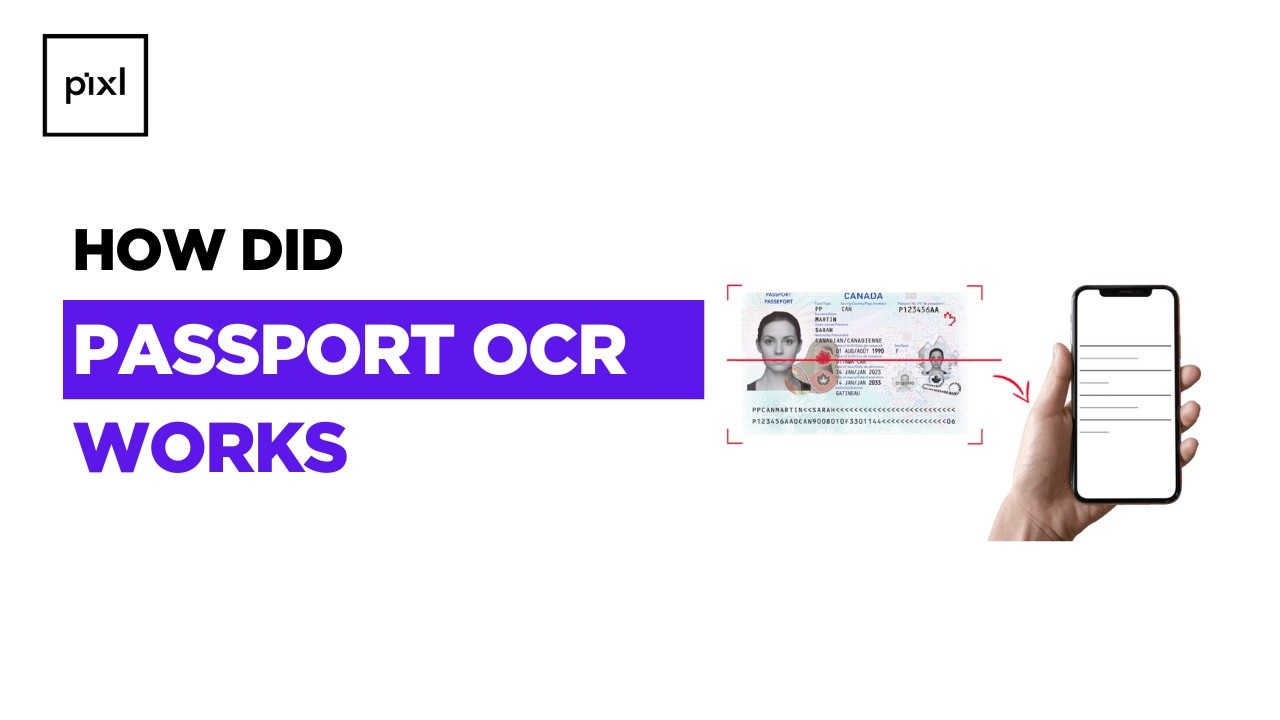
- Misreading Machine Readable Zone (MRZ) data
- Missing or incomplete fields during manual entry
- Swapped or misaligned data fields, such as surname and given name
- Inconsistent formatting across different passport types
Why Do Manual and Traditional Systems Fail?
Manual data capture relies heavily on human accuracy, which is naturally prone to fatigue and oversight. Even trained staff can make mistakes when processing high volumes of passports daily. Traditional OCR systems, on the other hand, struggle with:
- Variations in passport layouts across countries
- Low-quality scans or mobile-captured images
- Multilingual text and special characters
- Security features such as holograms and watermarks
As global mobility increases, these limitations become more apparent, making error-free extraction increasingly difficult without intelligent automation.
Who Is Most Affected by These Errors?
Errors in passport data extraction impact multiple stakeholders, including:
- Businesses facing onboarding delays and operational inefficiencies
- Customers experiencing repeated document submissions
- Compliance teams dealing with inconsistent records
- Operations teams managing rework and exception handling
When Do These Errors Typically Occur?
Data extraction errors usually occur at critical touchpoints, such as:
- High-volume onboarding periods
- Peak travel or seasonal hiring cycles
- Remote or mobile-based document uploads
- When handling international passports with unfamiliar formats
How Passport OCR Software Eliminates These Errors
Modern Passport OCR software is designed specifically to overcome the challenges of manual and legacy data capture. Here is how it addresses common extraction errors:
1. Intelligent MRZ Recognition
Advanced OCR engines accurately read and validate MRZ lines, ensuring passport numbers, dates, and nationality codes are captured correctly every time.
2. AI-Powered Image Preprocessing
Passport OCR automatically enhances image quality by correcting skew, adjusting brightness, and removing noise, improving recognition accuracy even from mobile uploads.
3. Layout-Aware Data Extraction
Instead of relying on fixed templates, modern OCR systems adapt to different passport formats and layouts, ensuring consistent field mapping across countries.
4. Multilingual Text Support
Passport OCR software is trained to recognise multiple languages and special characters, reducing errors caused by unfamiliar scripts or transliterations.
5. Automated Data Validation
Built-in logic checks validate extracted data formats—such as date structures and passport number patterns before they enter downstream systems.
6. Reduced Human Dependency
By automating extraction, organisations significantly reduce manual intervention, lowering error rates and freeing teams to focus on higher-value tasks.
Explore: Top Use Cases of Passport OCR Software Across Industries, which illustrates how organisations are using Passport OCR to streamline operations and reduce manual intervention at scale.
The Business Impact of Error-Free Passport OCR
When common data extraction errors are eliminated, organisations experience measurable benefits:
- Faster onboarding and processing cycles
- Improved data consistency across systems
- Lower operational and reprocessing costs
- Enhanced customer experience
Greater confidence in document-driven workflows
Conclusion
Common errors in passport data extraction are inevitable when organisations rely on manual processes or outdated OCR technology. These errors not only slow operations but also affect data quality and customer trust. Modern Passport OCR software eliminates these challenges by combining AI-driven recognition, intelligent validation, and adaptable document understanding.Explore: Choosing the Right Passport OCR Software: Features That Ensure Accuracy and Efficiency
As businesses continue to digitise onboarding and document workflows, adopting advanced Passport OCR technology becomes essential for achieving speed, accuracy, and operational efficiency without compromising on reliability.